
Reimagining cardio-hematology to leave no patient behind.
Despite decades of innovation, thrombotic and thromboembolic events like acute ischemic stroke, heart attack, and pulmonary embolism continue to outpace current standards of care.
Today, large segments of cardio-hematologic patient communities are left undertreated or entirely untreated due to a paralyzing tradeoff between therapeutic efficacy and quality of life.
Aronora is reimagining what modern medicine can accomplish for patients who require time-sensitive thrombolytic intervention or tailored management of life-threatening risk for thrombosis.
Blood clots are the leading cause of death worldwide.
strokes per year<br />in the United States alone
heart attacks per year<br />in the United States alone
pulmonary embolisms per year<br />in the United States alone

It takes a paradigm shift to make history.
Our clinical programs are grounded in genetics, purposed for patient-centricity, and designed to rewrite rulebooks governing clinical practice.
Scientific Publications
Advancing a differentiated pipeline of practice-changing clinical programs.
- Discovery Discovery
- IND-Enabling IND
- Phase 1 Ph 1
- Phase 2 Ph 2
- Phase 3 Ph 3
Program
AB002 (factor IIa mimetic) is a first-in-class Protein C activator being developed for treatment of acute ischemic stroke. This differentiated mechanism of action delivers rapid thrombolysis, targeted anticoagulation, and anti-inflammatory cytoprotection. AB002 is currently the only thrombolytic in clinical development with the potential for universal patient eligibility and administration at any timepoint during the patient journey.
- Discovery
- IND
- Ph 1
- Ph 2
- Ph 3
Program
AB023A2 (gruticibart) is a first-in-class factor XI (FXI) inhibitor designed to bind the Apple 2 (A2) domain of FXI. This differentiated mechanism of action selectively inhibits factor XII–mediated contact activation of FXI, while preserving hemostatic FXI activation by thrombin. AB023A2 is being developed as a tailored anticoagulant therapy for patient communities at high risk for bleeding.
- Discovery
- IND
- Ph 1
- Ph 2
- Ph 3
Program
AB011A3 is a first-in-class factor XI (FXI) inhibitor designed to bind the Apple 3 (A3) domain of FXI. This differentiated mechanism of action potently inhibits prothrombotic activation of FXI, with preclinical data exhibiting superior efficacy to all FXI inhibitors in development. AB011A3 is being developed as a tailored anticoagulant therapy for patient communities at high risk for thrombosis.
Rights

- Discovery
- IND
- Ph 1
- Ph 2
- Ph 3
Program
AB054 is a best-in-class factor XII (FXII) inhibitor designed to potently inhibit FXII-mediated thrombin generation and downstream activation of the inflammatory cascade. This mechanism of action regulates the chronic underlying thrombo-inflammatory vascular state known to increase risk for mortality across various cardio-hematologic patient communities.
Rights
- Discovery
- IND
- Ph 1
- Ph 2
- Ph 3
Program
AB062 is a first-in-class, targeted therapy designed to inhibit hepatic production of thrombopoietin (TPO), a key regulator of platelet production whose signaling pathway is aberrantly activated in essential thrombocythemia (ET). ET is a chronic myeloproliferative neoplasm (MPN) that increases lifetime risk for thrombosis, bleeding, and malignant transformation into other MPNs such as polycythemia vera, myelofibrosis, and acute myeloid leukemia.
Rights
- Discovery
- IND
- Ph 1
- Ph 2
- Ph 3
Led by luminaries with domain expertise in cardio-hematologic drug development.

Erik I. Tucker, Ph.D.
President & Chief Executive Officer
Erik is a founding luminary of the FXI product class and brings more than 20 years of deep research and drug development experience in cardio-hematology. He has guided Aronora from early scientific discoveries through multiple successful clinical trials. Under his leadership, the company has built a robust pipeline and established a reputation for translational excellence and capital-efficient drug development.
Erik is the inventor of three unique FXI inhibitors that have completed early clinical development. He holds more than 90 issued patents, has authored over 60 scientific publications, and was recently elected as a Fellow of the National Academy of Inventors.
Erik earned his Ph.D. in Biomedical Engineering from Oregon Health & Science University (OHSU) and holds a B.S. from University of Oregon. He also serves as an adjunct faculty member in biomedical engineering and an affiliate member of The Knight Cancer Institute’s Center for Experimental Therapeutics within OHSU’s School of Medicine.

Lekhan Shivashankar
Chief of Staff
Lekhan is an accomplished management consultant with deep expertise in shaping value narratives for cardiovascular biotechnology companies.
Prior to joining Aronora, he founded Renaissance bio, a specialty consulting firm dedicated to storytelling, where he served as an advisor and operating partner to executives at VarmX, Bitterroot Bio, and Kardigan.
Lekhan holds a B.S. in Business Administration from Northeastern University.
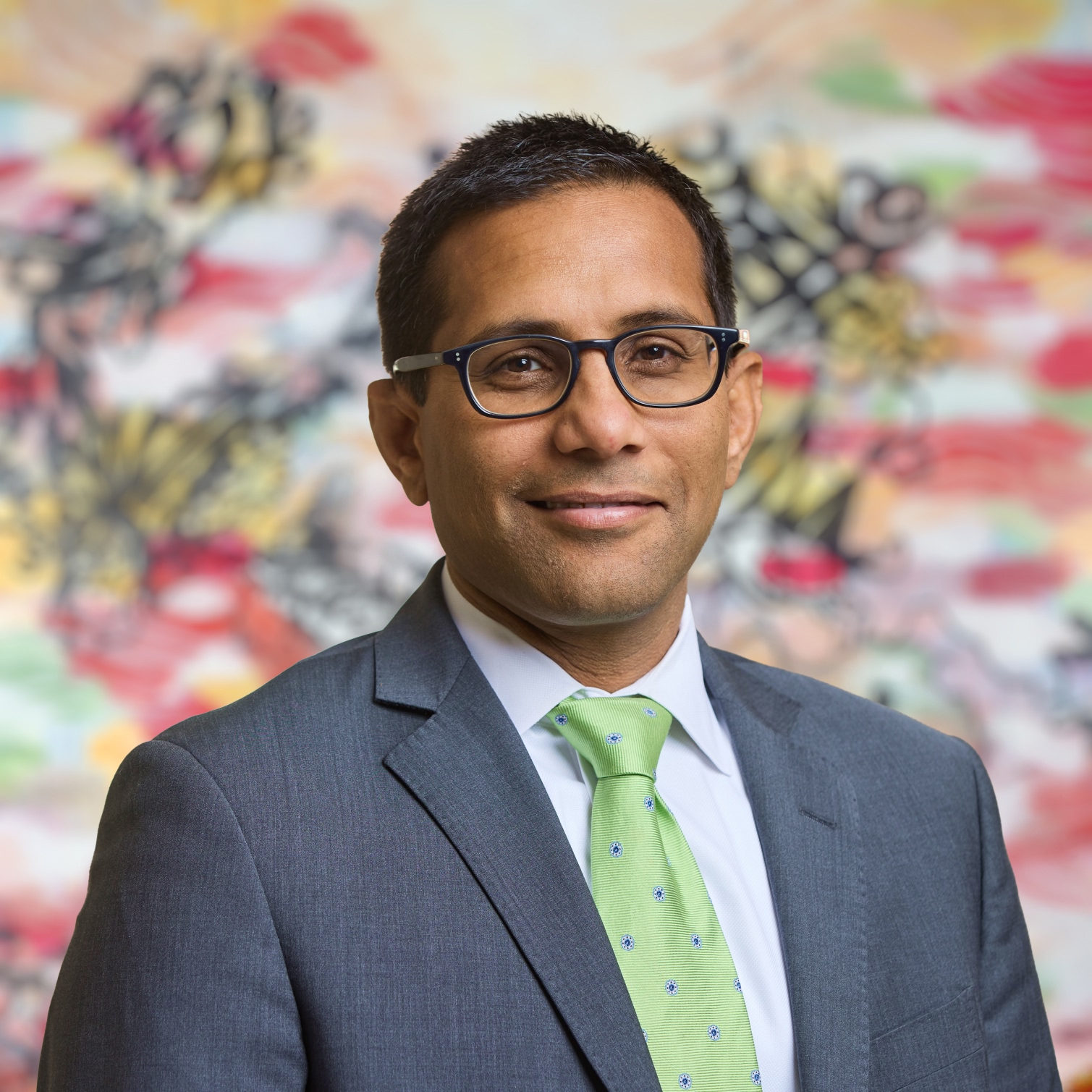
Kevin N. Sheth, M.D.
Chief Medical Advisor
Dr. Sheth is a founding Director of the Yale Center for Brain & Mind Health and the Vice Chair for Clinical and Translational Research for the departments of Neurology and Neurosurgery.
He is recognized for his leadership in cerebrovascular disease and brain health outcomes. He has led and developed highly innovative programs in drug development, translation, and medical devices. His team at Yale has served as a national model for academic neurology units. Dr. Sheth’s work has furthered the development of new strategies to treat stroke, changed clinical practice in the ICU and spurred the creation of new technologies in drug delivery and neuroimaging. His group’s highly collaborative, interdisciplinary efforts from the lab have culminated in the first Phase 3 trial for prevention of brain swelling in stroke, the first Phase 3 NIH-funded prevention trial in brain hemorrhage, and the deployment of the first portable bedside MRI for brain injury in the world.
Dr. Sheth has served as PI or co-PI for 10 multicenter clinical trials in stroke, and he is currently the PI for 2 NIH neuroscience clinical trial networks. He is a winner of the Robert Siekert Award from the American Heart Association (AHA), the Derek Denny Brown Award from the American Neurological Association, the Stroke Mentorship Award from the AHA, and most recently the Scharschmidt~Crawford Translational Medicine Distinguished Lectureship and Award from the American Society for Clinical Investigation (ASCI). Dr. Sheth is the author of over 500 publications and an elected member of the ASCI and Association of American Physicians (AAP).
Dr. Sheth earned his B.A. at Johns Hopkins University and M.D. at the University of Pennsylvania. He subsequently completed his internship, residency, chief residency, and fellowship in vascular neurology and neurocritical care at the Massachusetts General Hospital/Brigham and Women’s Hospital.

Norah G. Verbout, Ph.D.
Vice President of Operations
Norah brings over 15 years of experience in drug development and a track record of operational excellence across research, clinical development, and organizational management. She led the end-to-end advancement of the AB002 program from preclinical evaluation through Phase 2 clinical proof of concept.
Norah has co-authored more than 20 peer-reviewed scientific publications, contributed to successful fundraising initiatives, established strategic industry partnerships, and served as principal investigator on multiple NIH-funded projects. Prior to joining Aronora, she completed her postdoctoral training on mechanisms of inflammation and asthma at the Harvard T.H. Chan School of Public Health.
Norah holds a Ph.D. in Physiology and Pharmacology from Oregon Health & Science University and a B.S. in Biology from the Washington State University.

Christina U. Lorentz, Ph.D.
Director of Clinical Development
Christina brings over 12 years of experience in drug development and a track record of guiding programs from early research through successful clinical execution. She led the end-to-end advancement of the AB023A2 program from preclinical evaluation through Phase 2 clinical proof of concept.
Christina has co-authored more than 20 scientific publications, contributed to successful non-dilutive fundraising efforts, established strategic industry partnerships, and served as principal investigator on multiple NIH-funded projects. Prior to joining Aronora, she completed her postdoctoral training at the Weill Cornell Medical College, where she studied the role of proneurotrophins in the remodeling of cardiac microvasculature after myocardial infarction.
Christina holds a Ph.D. in Physiology and Pharmacology from Oregon Health & Science University and a B.S. in Physiology and Neuroscience from the University of California San Diego.

Brandon D. Markway, Ph.D.
Director of CMC
Brandon brings over 10 years of experience in biologic drug development and a track record of leading CMC strategy across all clinical programs in Aronora’s pipeline.
Brandon has co-authored 14 scientific publications, supported on non-dilutive fundraising efforts, helped form strategic industry collaborations, and served as a principal investigator on NIH grants. Prior to joining Aronora, he completed his postdoctoral training on mesenchymal stem cell chondrogenesis and the effects of hypoxia on cartilage biology and pathology at Oregon Health & Science University.
Brandon holds a Ph.D. in Biomedical Engineering from Oregon Health & Science University and a B.S. in Chemical Engineering from the University of Missouri.

Michael Wallisch, Ph.D.
Principal Scientist
Michael brings over 13 years of experience in drug development and a track record of leading scientific validation of all clinical programs in Aronora’s pipeline.
Michael has co-authored more than 20 scientific publications and led work on drug candidates in Aronora’s unique thrombosis models — widely regarded as the industry gold standard for preclinical evaluation of antithrombotic therapies. Prior to joining Aronora, he completed two postdoctoral fellowships at Oregon Health & Science University on the roles of Fanconi Anemia proteins in caretaker gene pathways and on the regulation of the mu opioid receptor in Sudden Infant Death Syndrome.
Michael holds a Ph.D. in Biochemistry and an M.S. in Chemistry from the Julius Maximilian University of Würzburg.

Felicia Williams
Business Manager
Felicia brings over 15 years of business management experience, including overseeing finance systems, federal grant and PCAOB audits, and regulatory compliance.
Prior to joining Aronora, she was an adjunct history instructor at Portland State University and the University of Portland. Felicia also served in the US Air Force working in Command & Control, which included managing disasters, as well as a wide range of other emergency situations.
Felicia holds a B.A. in History and English from the University of Portland.

Marschelle Carris
Laboratory Manager
Marschelle is an experienced research professional who oversees laboratory operations and supports clinical execution across all programs in Aronora’s pipeline.
Prior to joining Aronora, Marschelle supported scientific programs across both academic and industry settings.
Marschelle holds a B.S. in Cellular & Molecular Biology from Florida State University.

Grace E. Colón, Ph.D.
Board Chair
Grace is an accomplished entrepreneur and executive with a 30-year career spanning biopharma, genomics, health care, venture capital, and industrial biotechnology. Previously, she was Chief Executive Officer of InCarda Therapeutics, and held senior leadership roles at Gilead Sciences, Intrexon, Affymetrix, McKinsey & Company, and New Science Ventures.
Grace brings substantial governance expertise shaped by service on numerous public, private, and non-profit boards. Her previous board roles include CareDx, ProterixBio (Executive Chair), Paradigm Diagnostics (acquired by Exact Sciences), Cocoon Biotech, and PerceptiMed. She currently serves as board chair of Bloom Sciences and Emm, and on the boards of Voyager Therapeutics, the MIT Corporation, and the Biotechnology Innovation Organization (BIO).
Grace holds undergraduate and doctoral degrees in chemical engineering from the University of Pennsylvania and the Massachusetts Institute of Technology, respectively. In 2024, she was elected a Fellow of the American Institute for Medical and Biological Engineering (AIMBE).

John Glasspool
Board Director
John is a seasoned global biopharmaceutical executive with a distinguished track record of leading organizations through clinical, operational, and strategic inflection points. He currently serves as Chief Executive Officer of VarmX. Prior to joining VarmX, he was the Founding CEO of Anthos Therapeutics (acquired for up to $3.1B by Novartis), where he led the development of abelacimab, a first-in-class dual factor XI/XIa inhibitor.
John previously served as EVP, Head of Corporate Strategy and Customer Operations at Baxalta, Head of Emerging Therapies and Market Development at Baxter International, and in various leadership positions at Novartis, including Head of Vaccines and Diagnostics, Europe, Global Head of Commercial Operations, Pricing and Market Access, and Global Head of Cardiovascular and Metabolism. He currently serves on the boards of Relmada Therapeutics and Promicell Therapeutics. He is also a member of the Emerging Companies Section Governing Board at the Biotechnology Innovation Organization (BIO), a Venture Partner at Agent Capital, and a Senior Advisor to the NEWDIGS Project at the Tufts Medicine Center for Biomedical System Design and the MIT Center for Biomedical Innovation.
John holds a B.A. in Politics and International Relations from the University of Staffordshire.
Erik I. Tucker, Ph.D.
Board Director
Erik is a founding luminary of the FXI product class and brings more than 20 years of deep research and drug development experience in cardio-hematology. He has guided Aronora from early scientific discoveries through multiple successful clinical trials. Under his leadership, the company has built a robust pipeline and established a reputation for translational excellence and capital-efficient drug development.
Erik is the inventor of three unique FXI inhibitors that have completed early clinical development. He holds more than 90 issued patents, has authored over 60 scientific publications, and was recently elected as a Fellow of the National Academy of Inventors.
Erik earned his Ph.D. in Biomedical Engineering from Oregon Health & Science University (OHSU) and holds a B.S. from University of Oregon. He also serves as an adjunct faculty member in biomedical engineering and an affiliate member of The Knight Cancer Institute’s Center for Experimental Therapeutics within OHSU’s School of Medicine.
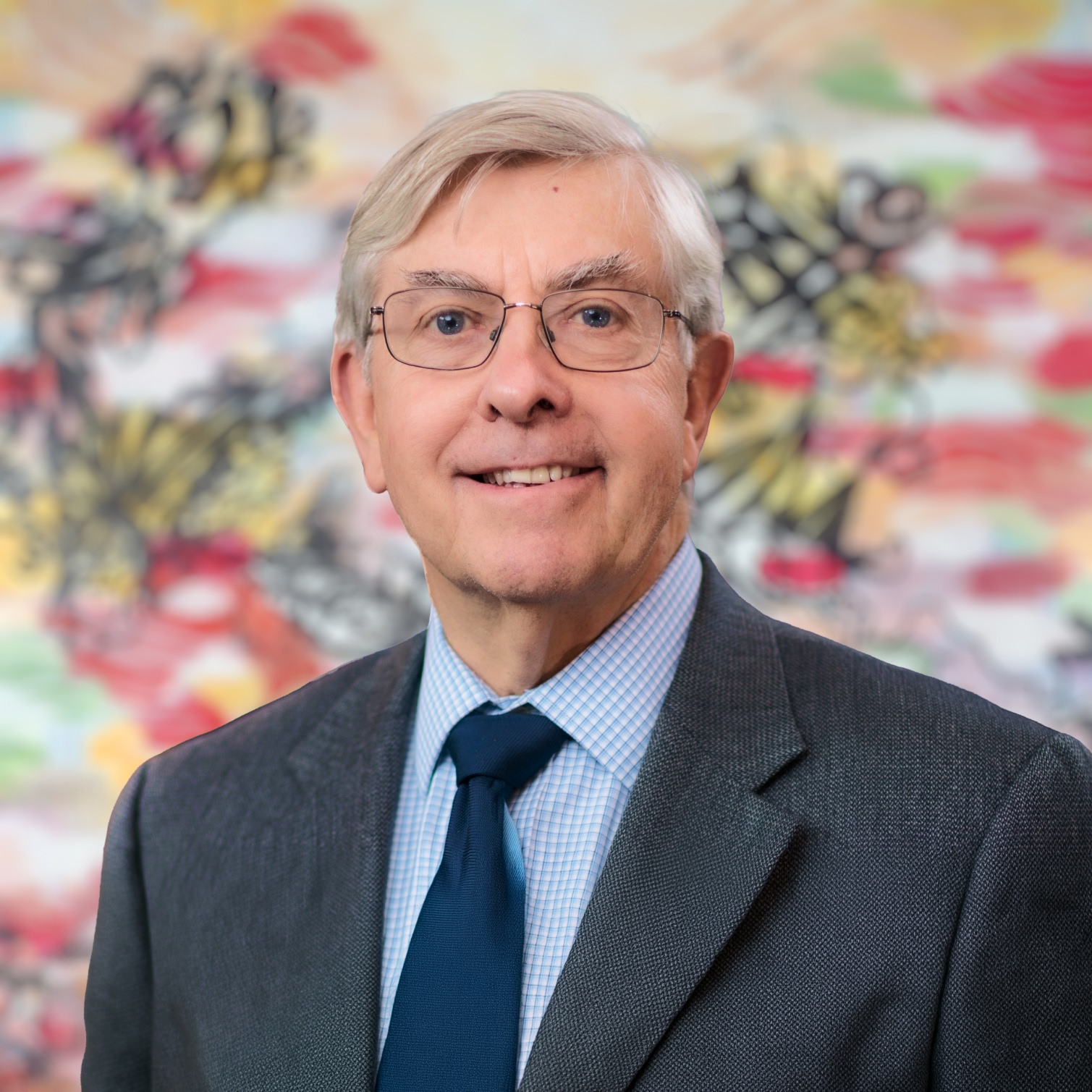
Walter J. Koroshetz, M.D.
Immediate Past Director of the NIH National Institute of Neurological Disorders and Stroke (NINDS)
Dr. Koroshetz is a renowned neurologist, educator, and the most recent Director of the NIH National Institute of Neurological Disorders and Stroke (NINDS).
Dr. Koroshetz joined NINDS as Deputy Director in 2007 and held leadership roles across a number of NIH and NINDS programs, including co-leading the NIH’s BRAIN Initiative, the NIH Blueprint for Neuroscience, the Traumatic Brain Injury Center collaboration between the NIH intramural and the Uniformed Health Services University, the Helping to End Addiction Long Term (HEAL) Initiative, the Common Fund’s Undiagnosed Disease, the Acute to Chronic Pain Transition programs, and the NIH Office of Emergency Care Research.
Prior to his career in public service, Dr. Koroshetz served as Vice Chair of neurology and Director of stroke and neurointensive care services at Massachusetts General Hospital (MGH). He was a professor of Neurology at Harvard Medical School (HMS) and led neurology resident training at MGH between 1990 and 2007. Over that same period, he co-directed the HMS Neurobiology of Disease course with Drs. Edward Kravitz and Robert H Brown.
Dr. Koroshetz’s clinical research played a significant role in the global revolution of stroke and neurointensive care. His investigative work was focused on the development and validation of neurologic imaging techniques including magnetic resonance (MR) spectroscopy, diffusion/perfusion MR, CT X-ray angiography, and perfusion imaging in stroke. He also pioneered best practices for acute clot removal in stroke patients with large vessel occlusions, which is now a national standard of care alongside the stroke imaging techniques he developed.
Dr. Koroshetz earned his B.S at Georgetown University and M.D. at the University of Chicago. He subsequently completed his residency in internal medicine at the University of Chicago and MGH, followed by his chief residency in neurology at MGH.

Gregory W. Albers, M.D.
Director, Stanford Stroke Center, Stanford Medical Center
Coyote Foundation Professor, Neurology and Neurological Sciences
Dr. Albers is the Co-founder and Director of the Stanford Stroke Center at Stanford Medical Center.
His team’s primary research focus is the diagnosis, management, and treatment of acute ischemic stroke (AIS), in addition to the use of advanced imaging techniques to expand the treatment window for therapeutic intervention.
Dr. Albers has led the investigation of new antithrombotic strategies for stroke prevention that span both thrombolytic and neuroprotective mechanisms of action. He has published over 800 papers and led key clinical studies that have advanced the field, including those that resulted in the recent approval of TNKase® (tenecteplase) for treatment of acute ischemic stroke.
Dr. Albers is a practicing neurologist with board-certifications in neurology and vascular neurology. He earned his M.D. at the University of California San Diego and completed his internship and residency at Stanford University.

Jeffrey L. Saver, M.D.
Carol and James Collins Chair, Department of Neurology, UCLA
Founding Director, UCLA Stroke Center
Distinguished Professor and SA Vice Chair for Clinical Research, UCLA
Interim Co-Director, Katherine and Benjamin Kagan Alzheimer’s Disease Treatment Development Program, UCLA
Dr. Saver is a world-renowned neurologist and founding director of the UCLA Stroke Center. He specializes in acute stroke treatment, stroke prevention, brain imaging, and clinical trial design. His research has been pivotal in developing clot retrieval therapy for acute stroke – a treatment now used worldwide. Additionally, he has advanced the field of pre-hospital stroke care by developing tools that enable on-site identification of stroke and initiation of treatment shortly after onset. Dr. Saver has served as a principal investigator for more than 50 clinical studies, including the NIH-NINDS FAST-MAG, SWIFT PRIME, and DAWN trials, all of which have reshaped standards of care for stroke.
Dr. Saver has authored over 800 peer-reviewed publications, three books, and forty book chapters. He serves as Associate Editor at JAMA and sits on the Editorial Board of Circulation. His contributions have been recognized with numerous honors, including the American Heart Association Distinguished Scientist Award, the US Clinical Research Foundation Clinical Research Award, and the World Stroke Organization Lifetime Research Award.
Dr. Saver earned his B.A. from Harvard University and his M.D. from Harvard Medical School. He completed his internship and neurology residency at Brigham and Women's Hospital, followed by fellowships in behavioral neurology and cognitive neuroscience at the University of Iowa and in vascular neurology at Brown University.
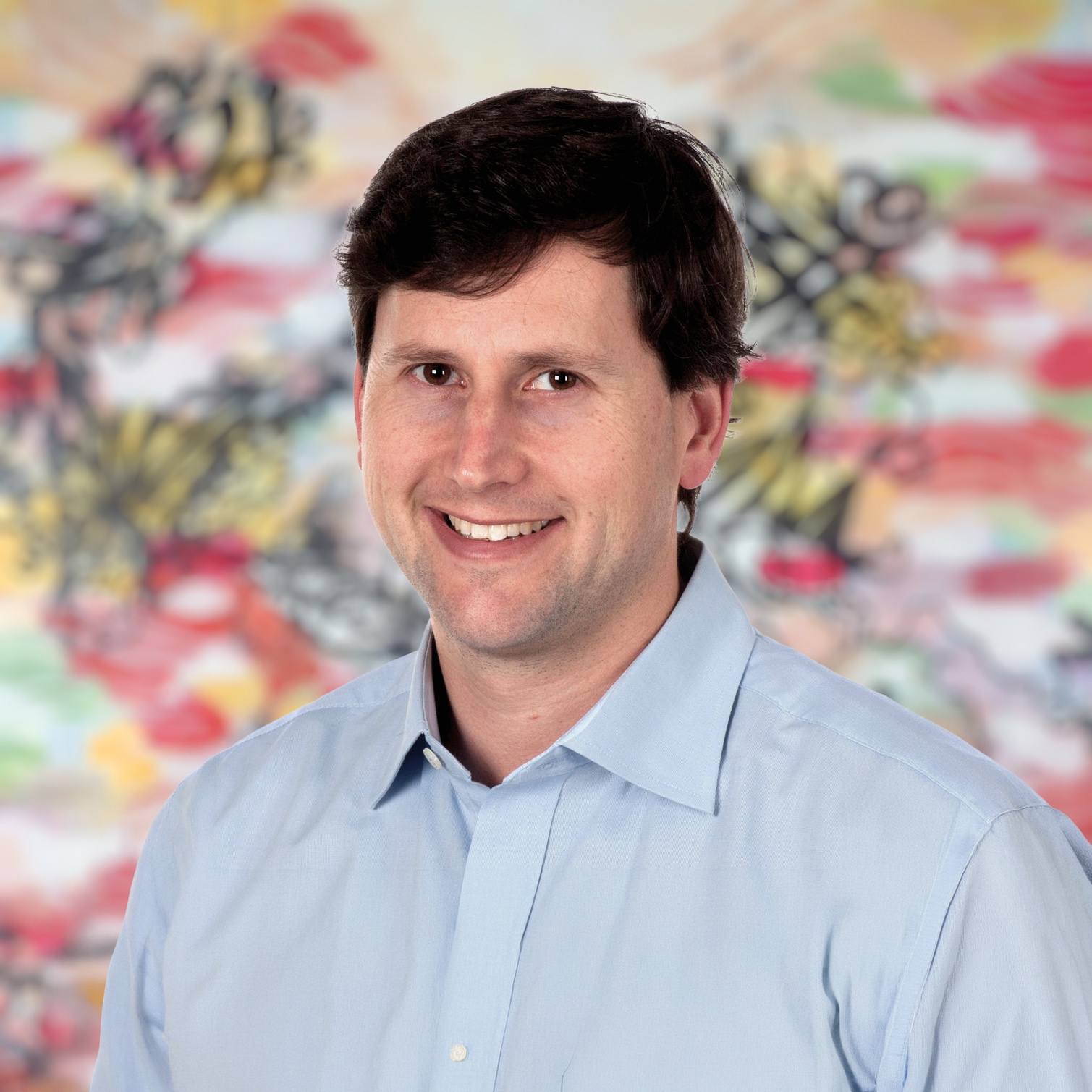
Bruce Campbell, MBBS, BMedSc, Ph.D., FRACP, FAHMS
Head of Neurology and Stroke, Royal Melbourne Hospital
Professor of Neurology, University of Melbourne
Dr. Campbell is the Head of Neurology and Stroke at the Royal Melbourne Hospital and Professor of Neurology at the University of Melbourne.
His investigative research is focused on the imaging and treatment of acute stroke and he was co-principal investigator and medical coordinator of the multicenter EXTEND-IA and EXTEND-IA TNK randomized trials published in the New England Journal of Medicine in 2015 and 2018. He co-chairs the Australian and New Zealand living stroke guidelines working party and has been a member of the Victorian stroke telemedicine project since inception. He is also the honorary coordinator of the Australian and New Zealand Brainschool training program for neurologists in training.
Dr. Campbell is the recipient of numerous awards including the prestigious Woodward Medal in Science and Technology, Bethlehem Griffiths Research Foundation Medal, Mervyn J. Eadie Award, Peter Doherty Leading Lights Award, and World Stroke Organization Award.
Dr. Campbell is an honorary advisor to Aronora and earned his MBBS, BMedSc, and Ph.D., at the University of Melbourne.
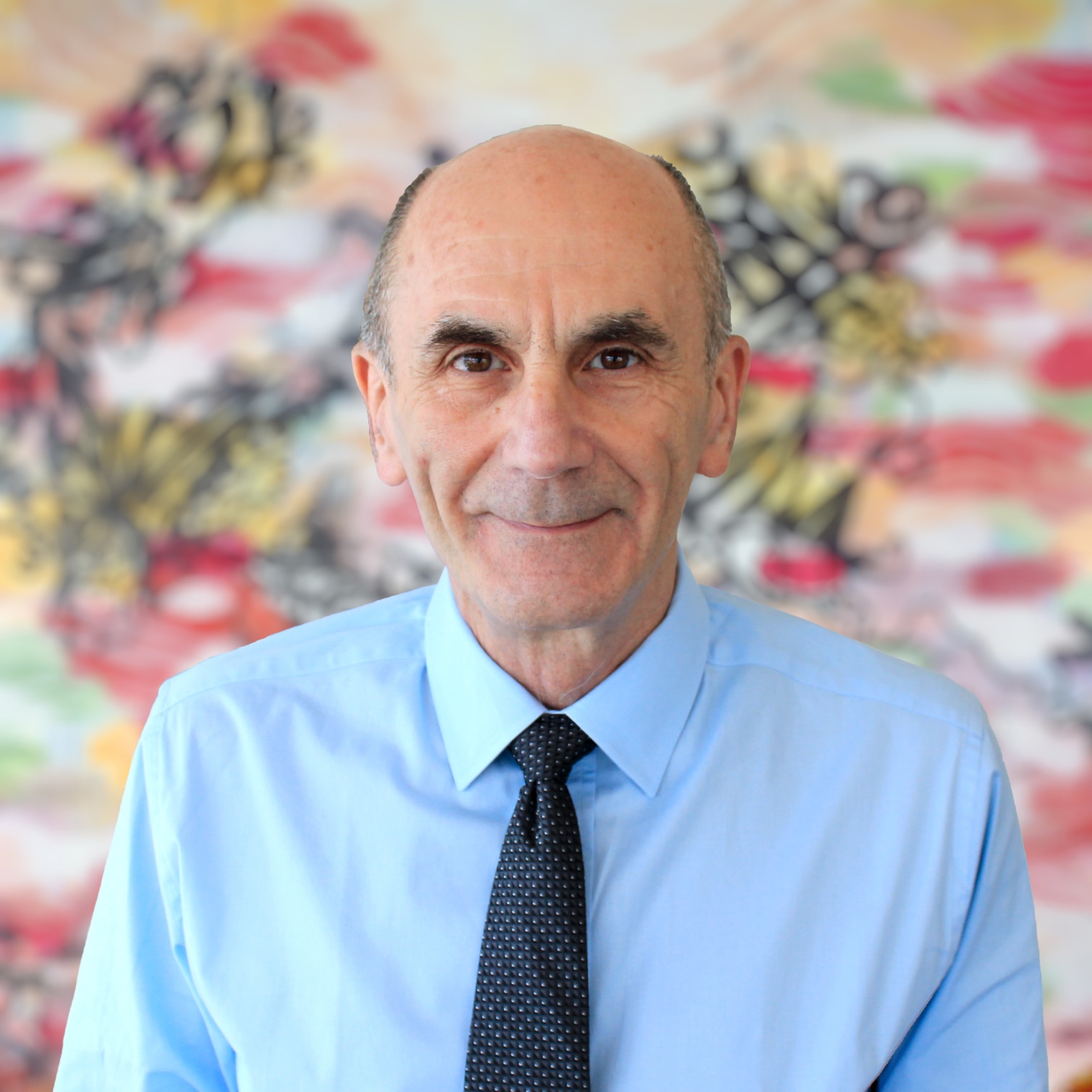
Enrico Di Cera, M.D.
Alice A. Doisy Professor and Chairman, Biochemistry and Molecular Biology, Saint Louis University
Dr. Enrico Di Cera is the Alice A. Doisy Professor and Chairman of the Edward A. Doisy Department of Biochemistry and Molecular Biology at Saint Louis University School of Medicine. He is internationally recognized as a leading structural enzymologist whose work has shaped modern understanding of blood coagulation proteases, protein allostery, and the molecular mechanisms that regulate thrombin generation and activity.
His research focuses on the structure, function, engineering, and regulation of proteins central to coagulation, including thrombin, prothrombin, protein C, and factor V. His laboratory integrates enzyme kinetics, thermodynamics, protein engineering, X-ray crystallography, cryo-EM, and other advanced biophysical approaches to define the molecular architecture and specificity of coagulation proteases. His current NIH-supported work includes studies of prothrombin, protein C, factor V, and the broader molecular basis of protease specificity.
Dr. Di Cera has made seminal contributions to the discovery and development of novel investigational antithrombotic therapies. His thought leadership was foundational to the establishment of Aronora’s AB002 clinical program for thrombotic emergencies, beginning with acute ischemic stroke. His laboratory has also solved landmark structures of prothrombin, the prothrombin–FXa–FVa complex, and factor V/Va, among other critical discoveries that have advanced the field of coagulation biology.
Dr. Di Cera earned his M.D. from the Catholic University Medical School in Rome. He subsequently completed postdoctoral training with Stanley Gill and Jeffries Wyman, focusing on experimental and theoretical aspects of ligand binding, linkage thermodynamics, and protein allostery. He is also a Fellow of the American Association for the Advancement of Science (AAAS) and a member of the National Academy of Inventors (NAI).

David Gailani, M.D.
Professor of Pathology & Microbiology & Immunology, Vanderbilt University
Professor of Medicine, Division of Hematology Oncology, Vanderbilt University
Director, Clinical Coagulation Laboratory at Vanderbilt University Hospital
Ernest W. Goodpasture Chair in Experimental Pathology for Translational Research, Vanderbilt University
Dr. Gailani is a globally recognized expert in coagulation biology and a foundational thought leader in factor XI research. He is currently a Professor of Pathology and Medicine at Vanderbilt University and Director of the Clinical Coagulation Laboratory at Vanderbilt University Hospital.
Dr. Gailani helped redefine the coagulation cascade and championed the development of factor XI inhibitors as a new class of anticoagulants. He is a co-inventor of Aronora’s AB023A2 and AB011A3 FXI programs, which are rooted in his foundational discoveries on contact pathway proteases. His research has been instrumental in shaping modern anticoagulant therapy and his work has contributed to transformational therapeutic advances such as direct oral factor Xa inhibitors.
Dr. Gailani earned his B.A. from Cornell University and his M.D. from the University of Illinois. He completed his residency in Internal Medicine at the University of Iowa and a fellowship in Hematology at Washington University in St. Louis.

Scott D. Berkowitz, M.D., FAHA, FACC
Research Professor of Medicine, Cardiology and Hematology, University of Colorado
Clinician-Scientist at CPC Clinical Research
Scott D. Berkowitz, MD is a hematologist, coagulation expert, and clinical research physician on vascular disorders. Dr. Berkowitz has over 30 years of experience in the clinical development of novel antithrombotic medications including LMWHs, oral heparin, argatroban, bivalirudin, GPIIb/IIIa inhibitors, a P2Y12 antagonist, ximelagatran, rivaroxaban, and several early FXIa inhibitor candidates.
From 2000 to 2006, he was a clinical research physician at AstraZeneca LP, where he advanced the clinical development of the first oral direct thrombin inhibitor, ximelagatran. He then joined Bayer AG from 2006 to 2021, where he served as a global clinical leader who was ultimately appointed Chief Scientist for Thrombosis and Vascular Diseases. During his tenure, he was Lead Physician for the oral direct factor Xa inhibitor rivaroxaban (Xarelto®) program, overseeing its clinical development and Bayer’s early antithrombotics portfolio. He and his team completed 16 Phase 3 Xarelto® trials, 13 of which met their statistical efficacy endpoint, leading to 8 different health regulatory approved clinical indications worldwide. His team also successfully completed a full pediatric development program with rivaroxaban, including a 500 pediatric patient Phase 3 clinical trial, which was the largest pediatric Phase 3 trial for an antithrombotic therapy up until that time. From April 2024 to April 2025 Dr. Berkowitz served as a Medical Officer at the FDA in the Center for Drug Evaluation and Research, Office of New Drugs, Division of Cardiology and Nephrology.
Dr. Berkowitz is an author or co-author of 190 peer-reviewed journal articles, over 145 scientific abstracts, and five book chapters. He has also been elected Fellow of the American College of Physicians (ACP), Fellow of the American Heart Association (AHA) and the Council on Atherosclerosis, Thrombosis, and Vascular Biology, and Fellow of the American College of Cardiology (ACC) and is also a member of the American Society of Hematology (ASH), the International Society for Thrombosis and Hemostasis (ISTH), and the Society for Vascular Medicine (SVM).
Dr. Berkowitz earned his M.D. from Jefferson Medical College and completed his internship, residency, and chief residency in Internal Medicine at the University of Pittsburgh Medical Center/Mercy Hospital. He subsequently completed a clinical fellowship in Hematology/Oncology at Ohio State University and a 3-year postdoctoral research fellowship in Experimental Hemostasis at the Scripps Research Institute.

Alvin H. Schmaier, M.D.
Robert W. Kellermeyer Chair, UH Seidman Cancer Center
Director, Seidman Cancer Center Lab, UH Cleveland Medical Center
Member, Molecular Oncology Program, Case Comprehensive Cancer Center
Director, Adult Hemophilia Program, UH Cleveland Medical Center
Professor of Medicine, Case Western University
Professor of Pathology, Case Western University
Dr. Schmaier is the Robert W. Kellemeyer Chair of Oncology at University Hospital Cleveland Medical Center and Case Western Reserve University.
Dr. Schmaier’s major investigative work is on the vascular biology of the plasma kallikrein/kinin (KKS) and renin angiotensin (RAS) systems. His lab is at the forefront of factor XII (FXII) research and was also the first to recognize that the endothelial cell enzyme prolylcarboxypeptidase activates plasma prekallikrein when bound to high molecular weight kininogen.
He discovered that bradykinin B2 receptor knockout mice are protected from induced arterial thrombosis, independent of the plasma coagulation, fibrinolytic, and anticoagulation systems. His team has investigated the influence of the plasma kallikrein/kinin and renin angiotensin systems on arterial thrombosis risk, in addition to examining the thrombosis risk profiles of the bradykinin B2 receptor, prekallikein, prolylcarboxypeptidase, kininogen, angiotensinogen, and angiotensin receptor 2 knockout mice. Most recently, his laboratory is working on the role of bradykinin in the pathogenesis of cerebral malaria and factor XII in the development of renal fibrosis after acute kidney injury.
Dr. Schmaier earned his M.D. at the Virginia Commonwealth University. He subsequently completed his internship and residency in internal medicine at Temple University, followed by a fellowship in hematology and oncology at the University of Pennsylvania and thrombosis at the Specialized Center for Thrombosis, Temple University. Dr. Schmaier has been a full professor at Temple University, University of Michigan and Case Western Reserve University. He is an elected member of the American Society of Clinical Investigation (ASCI) and the American Association of Physicians (AAP).

Brandi Reeves, M.D.
Associate Professor of Medicine, UNC Chapel Hill
Dr. Reeves is an Associate Professor of Medicine at the University of North Carolina Chapel Hill, where she specializes in myeloproliferative neoplasms (MPNs), bone marrow failure syndromes, lower risk myelodysplastic syndromes (MDS), and clonal hematopoiesis.
Dr. Reeves is a highly accomplished physician-scientist who leads a large team of hematologists with domain expertise in MPNs. Her research program focuses on mechanisms of thrombosis in MPN, where her goal is to provide individualized care through thrombotic risk stratification and tailored treatment strategies.
Dr. Reeves has authored more than 50 peer-reviewed publications and is committed to advancing patient care by supporting the development of novel therapies that move beyond cytoreduction to target the underlying biological drivers of MPNs. Her pioneering research and discoveries have been widely recognized by patients and physicians alike, with her most recent research on AB062 garnering Best Overall Abstract at the 17th International Congress on MPNs.
Dr. Reeves earned her M.D. from the University of Cincinnati College of Medicine, completed her residency in Internal Medicine at the Mayo Clinic, and her fellowship in Hematology and Oncology at the University of North Carolina Chapel Hill.

Joseph Shatzel, M.D., M.C.R.
Associate Professor of Biomedical Engineering, OHSU
Dr. Shatzel is an Associate Professor of Biomedical Engineering at the Oregon Health & Science University (OHSU), where he focuses on developing innovative strategies for the delivery of anticoagulant and antiplatelet therapies.
A highly accomplished clinician-scientist, Dr. Shatzel has authored more than 90 peer-reviewed publications and multiple book chapters in hematology, reflecting his outstanding productivity and scientific leadership. His work spans clinical research, translational investigation, and therapeutic innovation, establishing him as a rising star in the fields of thrombosis, coagulation, and platelet biology.
Clinically, Dr. Shatzel specializes in treating patients with clotting and bleeding disorders, along with a broad spectrum of hematologic conditions. His commitment to advancing patient care is matched by his academic dedication—he has received multiple teaching awards from OHSU’s Department of Medicine, recognizing his excellence in mentorship, education, and scientific communication.
His research program focuses on the mechanisms of coagulation, platelet disorders, and the development of novel anticoagulants, bridging fundamental science with real-world therapeutic needs.
Dr. Shatzel earned his M.D. from the University at Buffalo, completed his residency in Internal Medicine at Dartmouth-Hitchcock Medical Center, and his fellowship in Hematology and Medical Oncology at the OHSU Knight Cancer Institute.
Press Releases
Media Articles
Contact us and let’s collaborate.
"*" indicates required fields
oregon (HQ)
1818 SW 4th Avenue
Suite 102
Portland, OR 97201
Map